
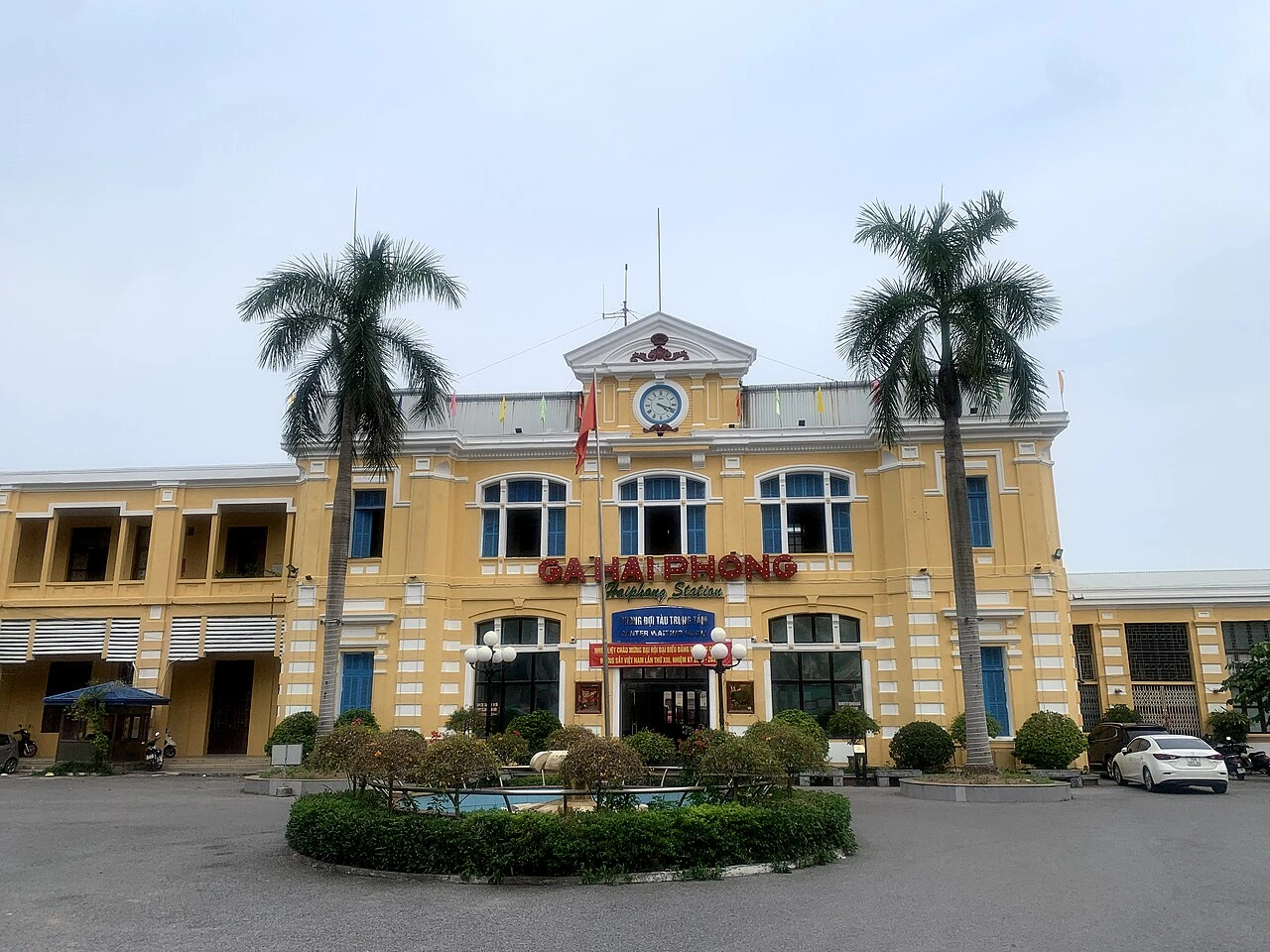
Book the return train before deciding how many food stops to make. For a first day trip, pick a morning train from Hanoi, spend the middle of the day around central Hải Phòng and take an afternoon or early evening train back. Start with crab noodles, add a market and a snack, and keep the rest of the plan flexible.
Pick both stations and both trains
Use Vietnam Railways to search the date in each direction. Check the boarding station printed against the specific service. A result using Long Biên can be convenient from the northeastern edge of the Old Quarter. A ticket from Hà Nội station takes you to a different departure point. Check where the return service ends too, especially if you have arranged a pickup in Hanoi.
For planning, the national tourism board describes the route as a short rail trip from Hanoi. Use the actual arrival and departure printed for your date to calculate time in the city. Allow at least half an hour back at the station as a personal buffer, and follow any earlier boarding instructions on the ticket. Keep both tickets and the station pin accessible offline.
A food walk you can shorten
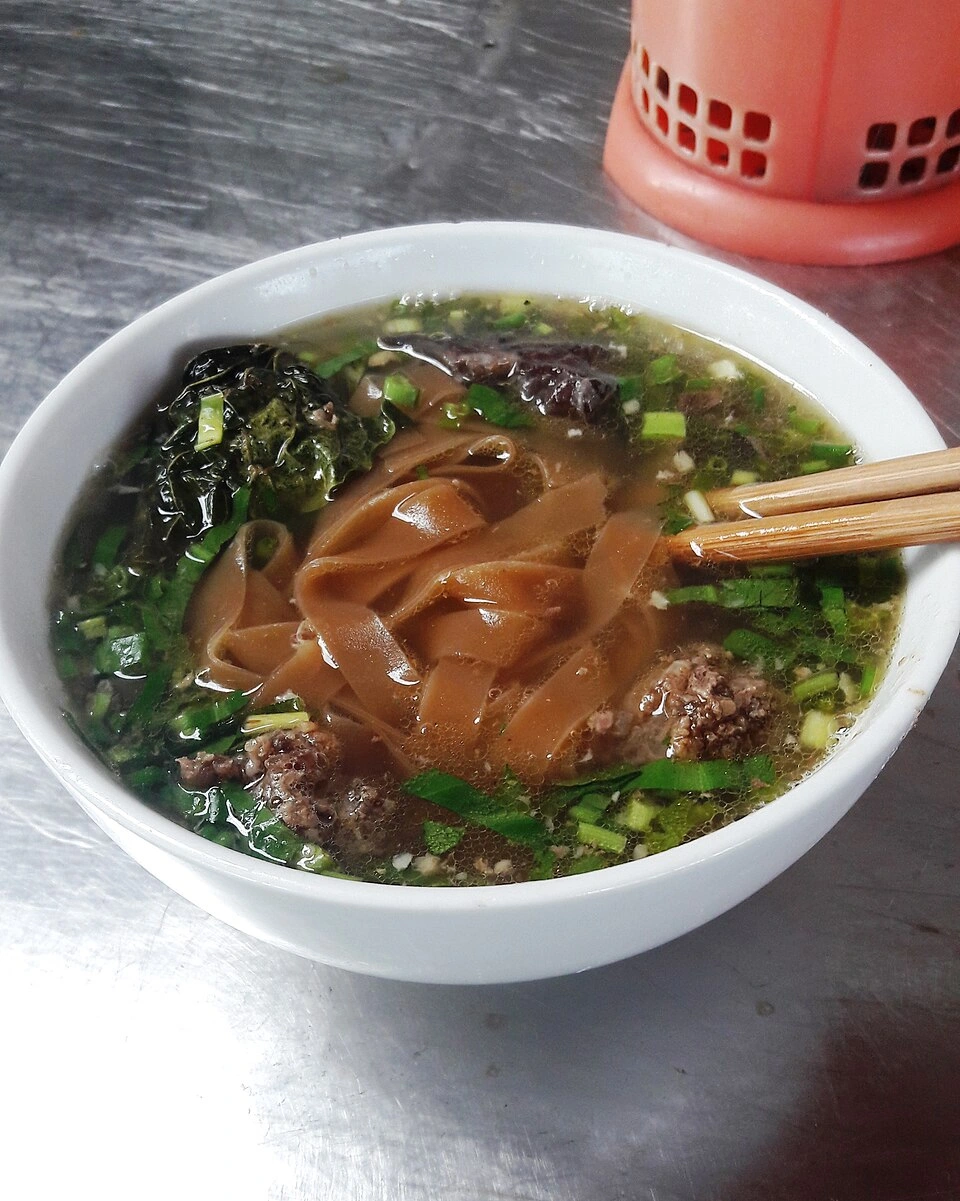
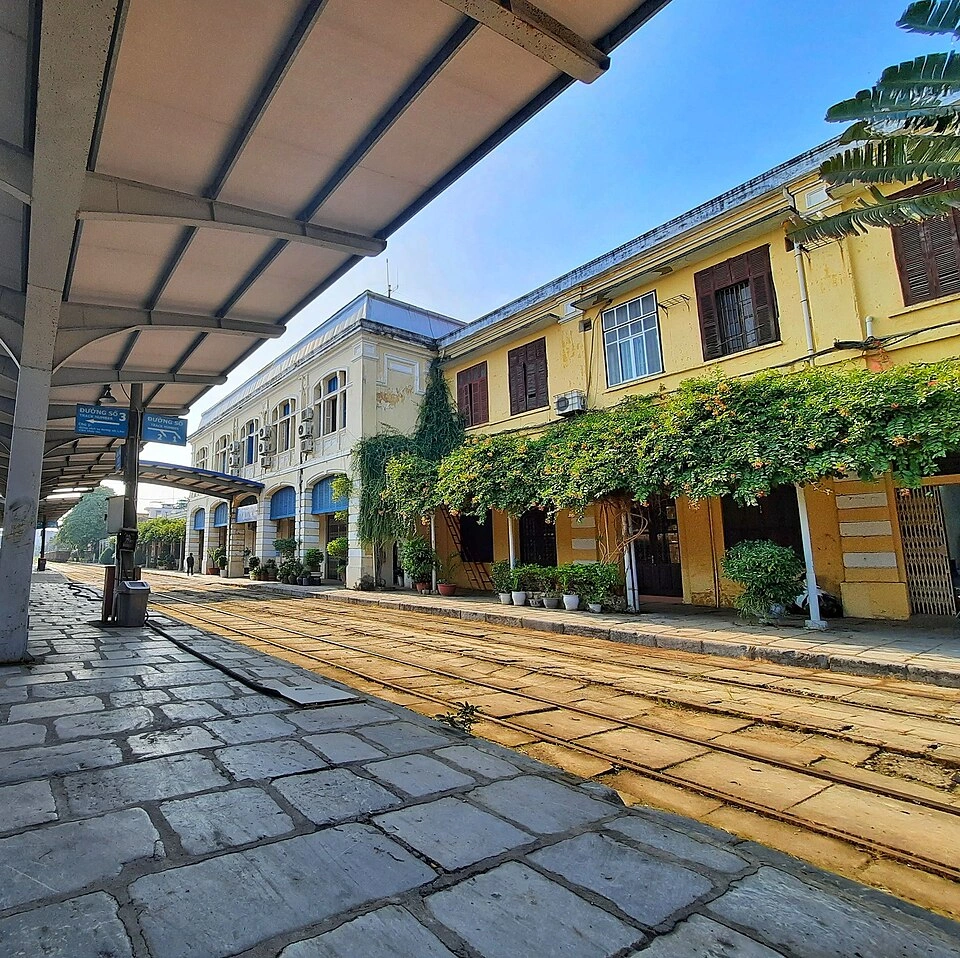
Start from Ga Hải Phòng on Lương Khánh Thiện. Look around the Cầu Đất area for a bowl of bánh đa cua. The dish pairs flat rice noodles with a crab-based broth, and bowls can include fish cake, pork or greens. Ask about the broth and toppings if you have dietary restrictions. This is the meal to prioritise if you only have a few hours.
Continue toward the Opera House for a break between stops. If the train gives you a longer window, extend the outing to the Tam Bạc area or Chợ Cát Bi. The market is a separate outing from the immediate station area, so use a ride if walking time would threaten your return. Keep a smaller snack stop in reserve if the market is busy or vendors have sold out.
Look for bánh mì cay, small crisp baguettes typically filled with pâté and served with chilli sauce, or try chè as a sweet break. For a group, order a small quantity first and share. The aim is to leave room for the next stop, and to have enough time to sit down for the dish you came for.
A later outbound train with an early return
The short version starts around midday in Hải Phòng and finishes at the station before the mid-afternoon departure. This is enough time for a bowl of crab noodles, a nearby landmark and one takeaway snack if you keep all three in the centre. It is also a plan you can shorten without losing the meal. Take a later return when you want a market across town, a more leisurely break or room for a queue.
Vexere’s published timetable lists LP3 at 09:25 from Hà Nội station and 09:36 from Long Biên, reaching Ga Hải Phòng at 12:00. The published return timetable shows LP8 at 15:00. Treat those times as an example pairing to look for. Confirm the date, both stations and current departure time on Vietnam Railways’ booking system. If your listings disagree, use the details attached to your actual tickets.
In the example, noon arrival and a 14:30 station target give you at most two and a half hours in the city, including the time it takes to exit and walk back. The 30-minute station buffer is a planning choice. Give yourself more time if the ticket requires earlier boarding or you need assistance. Estimate the time from your last food stop back to the station, subtract it from 14:30, and put that departure reminder in your phone.
| Example time | What fits | What to cut if you are running late |
|---|---|---|
| 12:00–12:20 | Exit Ga Hải Phòng and head towards the lunch stop. | Go straight to a nearby bowl of noodles. |
| 12:20–13:10 | Sit down for bánh đa cua and leave time for a queue. | Choose an available vendor near the station. |
| 13:10–14:00 | Short walk towards the Opera House, with a takeaway snack if time allows. | Turn back early or skip the square. |
| 14:00–14:30 | Return to Ga Hải Phòng. | Head directly to the station. |
Use the correct station on each leg
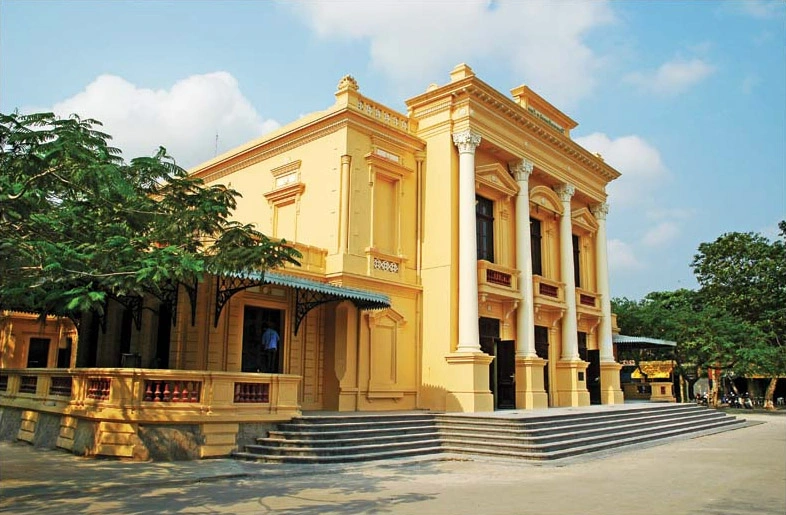
Read the ticket as a pair of names. Hà Nội and Long Biên are separate boarding points in the city, and Thượng Lý and Hải Phòng are separate destinations. A result with an earlier arrival at Thượng Lý can look tempting because the time is earlier. Check the extra road journey to your first food stop before booking it. For the compact walk described here, search for Ga Hải Phòng as your arrival and return station.
Keep the station name in Vietnamese on your phone. Once you are outside the railway station, check that the pin for your return is the same building and entrance you intend to use. If you plan to take a taxi or use ride-hailing from the far end of your walk, save where you would ask the driver to meet you. A pickup on a busy street can take longer than the distance implies. For a tight return window, the simplest reliable route may be to walk back the same way.
At booking, make sure the service that goes back to Hanoi arrives at the station you want. If you have arranged a Hanoi pickup, pass on the station and arrival time after buying the ticket. If your plans change and you rebook one leg, update your other travelers so everyone is working from the same two tickets.
Build the short loop around lunch
Start with the station on Lương Khánh Thiện and use Cầu Đất as the first area to search for lunch. Save a second nearby option before boarding. If the closest place has a long queue, pick the backup instead of losing the whole lunch window. The dish to look for is bánh đa cua. The menu may also list other noodle dishes with different broth or toppings. Point to the name of the bowl you want before ordering.
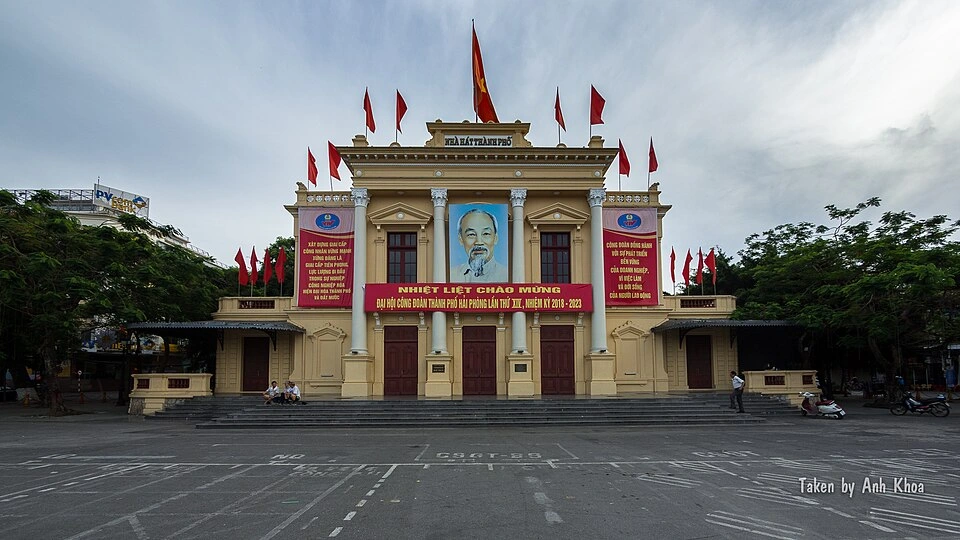
Build the next segment around Nhà hát lớn Hải Phòng, the Opera House. Use it as a turnaround point. There is no need to plan an interior visit for the short route. If you have time for a snack nearby, look for bánh mì cay, the small spicy baguette described by the Hải Phòng city portal. Check the filling before ordering. A couple of small pieces can be shared if you want to try the snack after a bowl of noodles.
Return to Ga Hải Phòng by the route that gives you the most reliable arrival time. Save both pins offline before leaving Hanoi. The map searches identify the areas and the station. Choose the precise path based on your vendor and traffic, and use marked crossings where available.
What to order if you have time for one or two stops
One stop: Make it bánh đa cua. That gives you a complete meal and the dish most directly associated with this outing. Ask about the broth before paying if you avoid crab, pork, fish or any other ingredient. Toppings that can be left out of the bowl and ingredients already in the broth are different questions. For a serious dietary restriction, choose a place where you can get an answer you understand.
Two stops: Add bánh mì cay or a sweet snack such as chè. Order a small amount before sitting down for another long meal. A takeaway item gives you flexibility if the train buffer has begun. If a vendor sells only one main item, ask the price and whether chilli sauce comes separately before ordering for the whole group.
Three stops: Add a drink or a walk past the Opera House after the meal. Keep the last stop near your route back. If it is raining or someone wants a break, pick the comfortable seated stop closest to the rail approach. A food trip can still work with one main bowl and a short walk. The route has done its job if you can enjoy the meal and make the train without rushing.
What changes if you take a later return
First, check that later service and station before extending the route. Use the extra time for one additional area. In the centre, the Tam Bạc waterfront gives you a place to walk between food stops. The city’s Tam Bạc destination listing describes the area. Save the particular point you want to visit so you can measure the time back to Ga Hải Phòng. If crossing the city would shorten a market visit to a quick turn through the entrance, use the central option instead.
For Chợ Cát Bi, estimate the road time from the main station and back before leaving the centre. Check what you want to eat there and whether the stall or category you are seeking operates at your arrival time. Market hours alone tell you little about an individual vendor’s schedule. Give yourself an alternative near the station in case the market is quiet or your return time changes. A sit-down meal after a cross-town ride will need its own time allowance.
Keep the coast or island for another day. A rail outing to central Hải Phòng and a same-day detour to a ferry landing or beach have different transport plans. Spending the additional time around the centre also gives you a better chance to adjust when the train or a meal runs late. For a separate island day, use the Cát Bà transfer guide to plan the land and water segments.
Plan for a delay before it happens
When you arrive, compare the time on your phone with the return ticket. If the outbound train is late, recalculate the station target before walking away. A moderate delay usually means skipping the square or the snack. A longer delay means staying within easy reach of the station and eating whatever suitable meal you can get quickly. Keep a final cutoff time for ordering and leave the last stop when it arrives.
If you want flexibility, check how your return ticket can be changed before the day of travel. Availability and conditions can vary. Pick the last service you are comfortable taking home, then treat a rebooking as an option only if the operator offers it. Carry your tickets, ID and the station pin somewhere you can reach when your hands are full. A small amount of cash gives you another way to pay if a vendor cannot take your preferred payment method.
Book a compact day when your real aim is to try Hải Phòng’s food from Hanoi without committing to a very early departure. Choose the longer version when a market or waterfront detour is part of why you are going. The crucial number is the time left between your last dish and the return train. Write that time down before you order.
Choose the meeting point before you split up
For a small group, an easy way to keep the trip flexible is to meet for the main bowl of noodles and let people choose how they use the last part of the walk. Set the station entrance as the final meeting point and agree on the exact time before lunch. Everyone should save the return ticket details or have a way to retrieve their own ticket. If someone needs an accessible route, confirm the entrance and boarding arrangements with station staff before going into town.
If you have a single afternoon deadline in Hanoi, work from that time first. Check the return train’s final station and allow time for the ride across Hanoi. Once you have booked a sensible return, the food route can shrink or grow around it. Save your lunch area and the station even if you decide to drop every other stop.
Photo credits
- Cover: Oliver, Bambus Rejser, Bambus-rejser-ga-hai-phong.jpg, CC BY 4.0.
- Akira, Haiphong station.jpg, CC BY-SA 4.0.
- Phương Huy, Bánh đa cua Hải Phòng (27.2 (4).jpg, CC BY-SA 4.0.
- Tran Anh Khoa, Haiphong Opera House.jpg, CC BY-SA 2.0.
- HoangTuanAnh, 03-OPERA HOUSE.jpg, CC BY-SA 3.0.
All photographs via Wikimedia Commons, displayed at reduced size.


.jpg)

