Go to Ba Vì National Park from Hanoi with a driver who will enter the park, wait while you walk and take you back from the same meeting point. The distinction matters because the ticket gate, the lower forest stops, the old church and the summit walking routes are separate stops on a mountain road. A driver who agrees only to a ride to Ba Vì may be quoting for the gate. For a first visit, pick the walk before you book and give the driver the parking name as well as the park name.
Allow a day if you want an upper mountain walk. If the group mainly wants an outing in the forest, plan a lower or middle stop and keep an optional second stop dependent on conditions. The Hanoi tourism listing introduces the park’s landscapes and visitor sites. The Vietnam Airlines guide describes the road approach and car access. Confirm local restrictions at the gate because permission to drive farther up can depend on the vehicle and the conditions.
Choose your parking destination before leaving Hanoi
Use the park entrance as the first pin. Search for Cổng Vườn Quốc gia Ba Vì and confirm the result with your driver. Then send the name of your intended attraction and ask for the actual vehicle stop they use for it. An attraction pin can point to the building or summit. It cannot tell you where a car is allowed to wait. Keep entrance and pickup information separate on your phone.
| Your main stop | What to show the driver | What to confirm at the gate |
|---|---|---|
| Lower pine forest | Rừng thông cốt 400 | Where to park and which nearby paths are open. |
| Old French church | Nhà thờ đổ Ba Vì | The current approach on foot and the nearest authorised drop-off. |
| King Peak and the Hồ Chí Minh Temple | Upper temple parking search, then specify the Đỉnh Vua walk. | Whether your car can reach the upper lot and which staircase is signed for Đỉnh Vua. |
| Upper Temple on Tản Viên | Show Đền Thượng, đỉnh Tản Viên and ask for the starting point staff recommend for your vehicle. | The current vehicle limit and correct walking branch. |
The map links are searches for place names. Match the result to the sign or location staff give you. Travel information uses elevation labels, such as cốt 400, to describe sections of the road. These labels can be more useful when speaking with the driver than an English name for a landmark. The Vietnam National Parks route descriptions identify the lower pine area and the upper parking area for the King Peak walk. Keep the gate staff’s instructions as the final word for access on your day.
How to agree on a car that waits
Send your Hanoi pickup address, travel date, number of passengers and chosen stop. Ask for the total fare including the drive inside the park, a defined amount of waiting time and the return to Hanoi. Check how vehicle fees, parking and tolls are handled. A quote that includes two trips to the entrance might look cheaper than a quote for a car that stays with you, but it covers a different journey. Compare offers only after you have the same stop and wait time in each.
Agree on what happens if the upper road is closed or the vehicle cannot go past a certain point. A workable agreement gives you a lower fallback stop or a clean decision to return early, along with any fare implications. Ask if the driver can move between lots while you are in the park. If so, write down the final meeting point and time after you arrive. If the group splits up, everyone should have the same meeting details before setting out.
At the gate, take a minute to make the plan specific. Ask which road section is open, where visitors for your attraction are parking and whether there is anything unusual about the descent that day. Take a screenshot of the location when you get out of the car. Save the driver's phone number, vehicle plate and meeting time. If messages fail higher up, you still have a fixed place to find the car.
Here is a message you can adapt: “Could you take our group from [Hanoi address] to Ba Vì National Park, drive inside to the parking area for [stop], wait [number] hours, and bring us back? Please confirm the total price, what tolls or parking cost extra, and whether your vehicle can use the upper road if it is open.” If you have a child seat, wheelchair, stroller or other equipment, give the driver the dimensions and ask park staff about the surface of your intended walk.
Lower forest and church route
Choose this version if you are travelling with someone who prefers short walks, if the mountain is clouded in or if you have less time after leaving Hanoi. Begin by confirming the lower parking area. The pine forest gives you a way to spend time under the trees without building the day around a summit. If a seasonal display is advertised, check whether the route is open before allowing extra time for it. Flowering dates depend on the season and should be treated separately from year-round forest access.
Make the old church your second stop only if you have a clear approach by car and the footpath is suitable for your group. Ask at the gate where the approved walking route starts. The ruin and nearby paths can be damp, and the attraction may require more care underfoot than it looks from a pinned photograph. View it from the permitted area, especially where masonry or footing is unstable. If it rains hard, use your lower stop as the main outing and drop the second stop.
For a family, set a straightforward sequence. Park, do a short out-and-back and return to the same lot before deciding whether to drive farther. Keep water and a snack accessible in the car. If you add the church, tell the driver your expected return time even if it is a short walk. You can spend the rest of the day in Hanoi instead of making up a missed summit later in the afternoon.
Upper route for a group that wants stairs
King Peak, also called Đỉnh Vua, and the Tản Viên route lead to different destinations. On King Peak the best-known landmark is the Hồ Chí Minh Temple. The route descriptions place the stair start at the upper parking area and describe a long staircase. On Tản Viên, the destination is Đền Thượng. In conversation the name Đền Thượng can refer to the temple or the parking area serving upper routes, so include the peak name when someone gives you directions. Ask which branch you should take and where it will bring you back.
Decide on the climb after you see the surface and visibility, then choose a turnaround time. Allow for the descent, which can be slower than expected on wet stone. Keep the group on the same route or arrange exactly where anyone who stops will wait. Bring a light layer because conditions at the top can differ from the air near the park entrance. For a group with uneven fitness, choose a short shared walk first and only extend it by agreement.
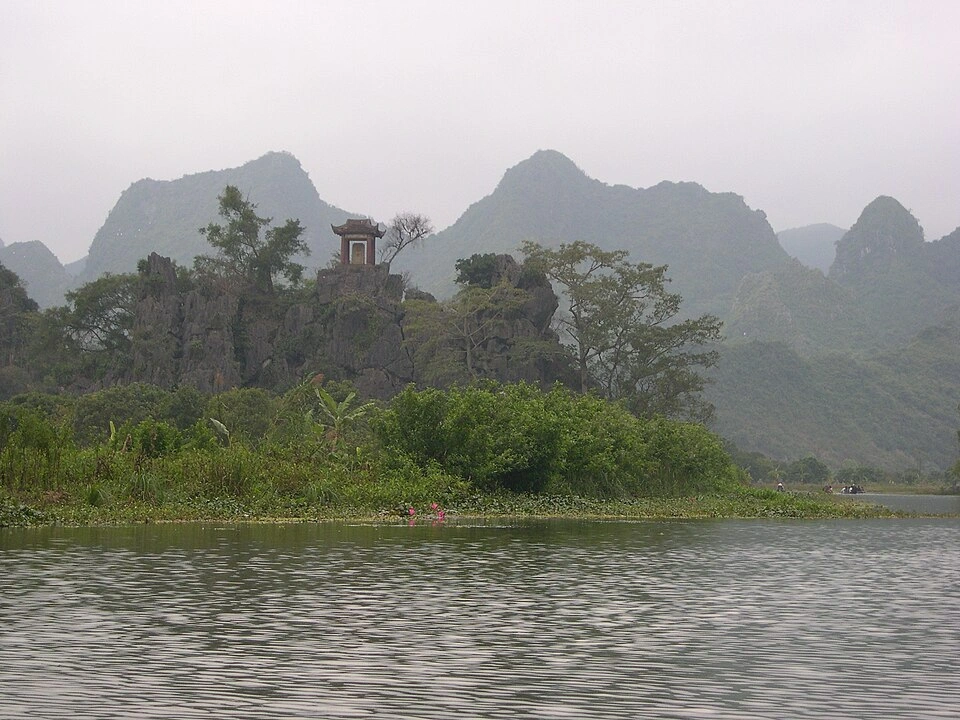
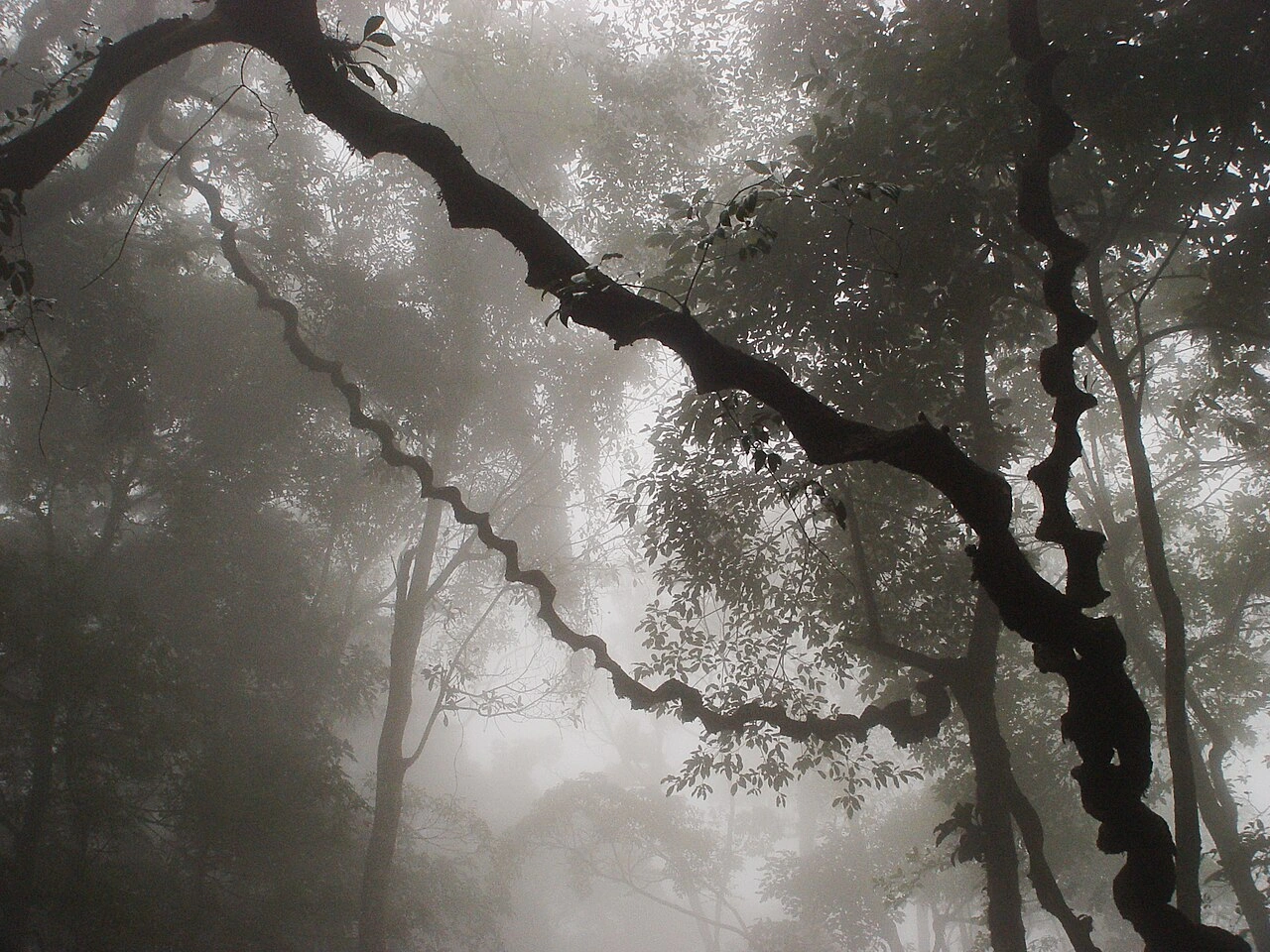
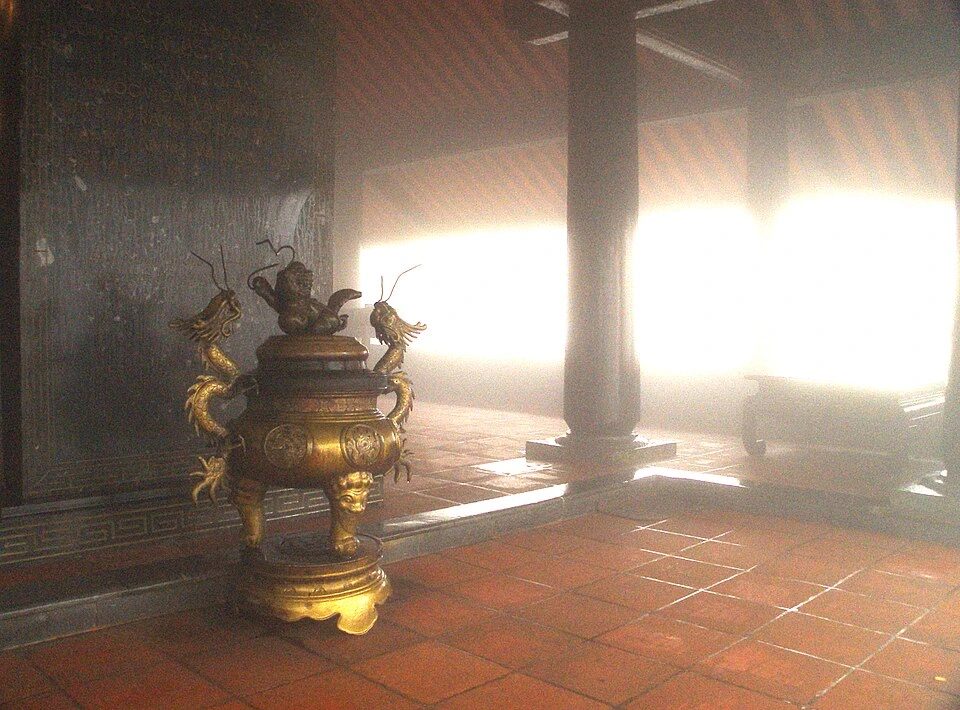
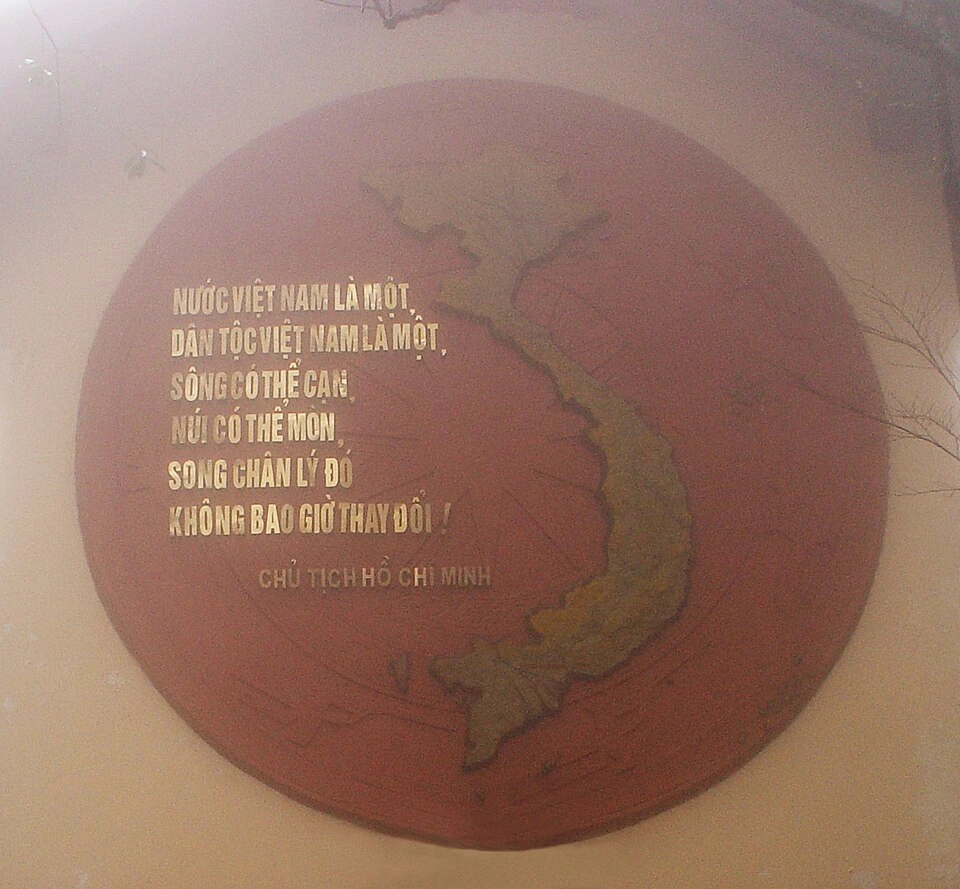
Follow signs and guidance at places of worship. Pause outside before entering and check whether shoes, dress or photography are addressed by signs or staff. The archive photos here are useful for recognising the type of terrain and the temple setting. Use current signs for the route, since paths and access can change after a photo was taken.

Three decisions when the weather changes
Dry road, clear upper trails: Keep the upper walk if the gate confirms vehicle access. Give it the largest part of the park visit. Add a lower stop on descent only if the driver’s waiting arrangement and your energy allow it.
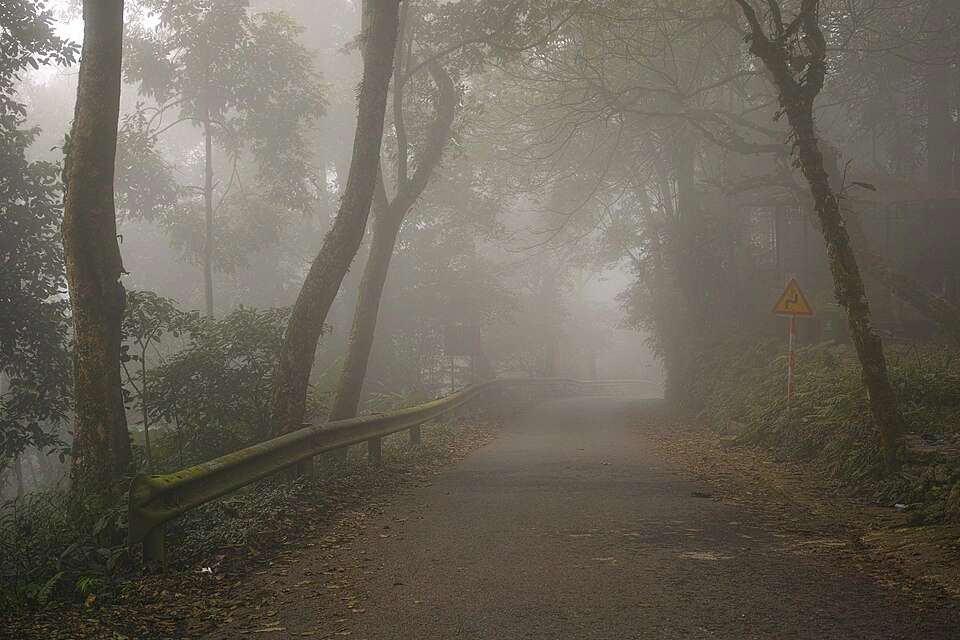
Cloud at the summit, good lower conditions: Use the pine area and consider the church approach if staff say it is suitable. If you came specifically for a viewpoint, treat a clouded ridge as a reason to shorten the itinerary. You can still get a forest outing without committing to a steep stair route.
Heavy rain, low road visibility or a closure: Follow the park’s access instruction and talk to the driver about the safest permitted return. Avoid adding an unfamiliar mountain road or staircase simply because you paid for a certain amount of waiting time. A flexible itinerary makes this decision easier before you are already at a trailhead.
Sample schedules you can adapt
For a short visit, leave Hanoi in the morning, arrive at the gate and spend your walking time in one area. Build in time to move between the gate and parking, and tell the driver that any second stop is optional. If the drive out takes longer than planned, go straight to the main stop and move lunch to the return drive or back into town. Use your actual road estimate to choose the pickup time, especially if you need to be back for a reservation.
For a longer visit, make the upper walk your first decision at the gate, while you still have time to switch plans. Go straight to its parking area if the road and trail are open. Take a break after coming down, and add the church or pine forest depending on visibility and how much time is left. Avoid walking a new upper route near dark. Book a waiting window with enough room for the descent and an agreed overtime price in case the group moves more slowly than expected.
Questions to settle before the car arrives
Can I take a bus and then walk in? Work out the final leg before booking. A bus that approaches the park does not give you a ride up the internal road, and a descent from an upper trail can leave you far from your onward stop. If you are relying on public transport, have an identified pickup for the uphill or return segment and know where you will wait.
Can I ask for a ride home when I finish? You can ask a transport provider before you leave Hanoi what it can reliably serve. For a fixed return, agree the exact pickup location inside the park in advance. An agreement for a pickup at the gate still leaves you responsible for getting back down to it.
What details are worth saving offline? Keep one image with the original gate pin, a second with your chosen parking point, and a message with the driver’s plate and return time. Add the Vietnamese spelling of your route or temple. If the plan changes at the gate, update the parking screenshot with the actual location when you arrive. That small check matters more to the trip home than the name shown on a booking confirmation.
At the gate, decide how far the group actually wants to walk
A car makes it easier to reach the different elevations. The last part of a walk may still involve steps, uneven paths or standing around at a parking area. Ask staff to separate the distance from your vehicle to the trail entrance from the walk to the attraction itself. Someone who is comfortable with ten minutes of level walking may choose a different stop from someone who wants a sustained climb. If you are taking a stroller, confirm whether there is a continuous firm path before unloading it.
Write the decision down in the same order you will use it: vehicle stop, walk, return point. For example, use the lower forest lot, take the path staff points out, and meet the driver in that same lot. On an upper route, specify the name on the trail sign and plan to descend by the branch you agreed to use. After everyone has returned to the car, check the remaining daylight and waiting time before adding another drive.
Photo credits
- Cover: Steven C. Price, Ba-Vi-Vietnam1.jpg, CC BY-SA 4.0.
- [Tycho], Ba Vì National Park, foggy road.jpg, CC BY-SA 3.0.
- Steven C. Price, Ba-Vi4.jpg, CC BY-SA 4.0.
- Steven C. Price, Ba-Vi7.jpg, CC BY-SA 4.0.
- Steven C. Price, Ba-Vi3-Vietnam.jpg, CC BY-SA 4.0.
All photographs via Wikimedia Commons, displayed at reduced size.