At Hanoi’s Imperial Citadel, you can spend an afternoon looking at places built centuries apart without leaving the same part of town. That’s the appeal, and also the source of the confusion. Are you there to see an underground wartime command room, or to understand what archaeologists found beneath an imperial capital? Start at 19C Hoàng Diệu, then give the part you’re most curious about enough time. The two things I’d ask about at the ticket desk are access to House and Bunker D67 and access to the excavations at 18 Hoàng Diệu.
If you have time for only one, choose D67 for modern military history. Choose 18 Hoàng Diệu for the remains of earlier buildings. You can do both on a longer visit, but check how to reach each one before you begin. The route can matter as much as the time you’ve allowed, especially while work is taking place around Kính Thiên Palace.
Choose between D67 and 18 Hoàng Diệu
| If you want to see | Prioritise | Ask before you set out |
|---|---|---|
| A modern military headquarters and underground rooms | House and Bunker D67 | Is the house open, and is the route down into the bunker open? |
| Foundations and other remains from different periods of Hanoi’s history | 18 Hoàng Diệu archaeological site | Which viewing area can visitors reach today and how do we get there? |
| The main gate and views from the central grounds | Đoan Môn first, then the central area as directed | Are there any diversions around Kính Thiên Palace? |
Buy the ticket at 19C Hoàng Diệu
Save 19C Hoàng Diệu for arrival. The site’s relics guide identifies that as the ticket gate. The address 18 Hoàng Diệu is the archaeological site, so a search for “Hoàng Diệu archaeology” can take you to a different point from the one where you begin the visit. Give your driver the full entrance address and check the pin if you’re meeting other people.
The heritage centre’s published ticket notice sets the standard daytime admission at 100,000 VND from January 2025. The official site lists 8 a.m. to 5 p.m. daily for general opening. Check holiday hours and the final entry time for the area you want to see on the venue’s website or through the visitor contact page.
Use Đoan Môn to get your bearings
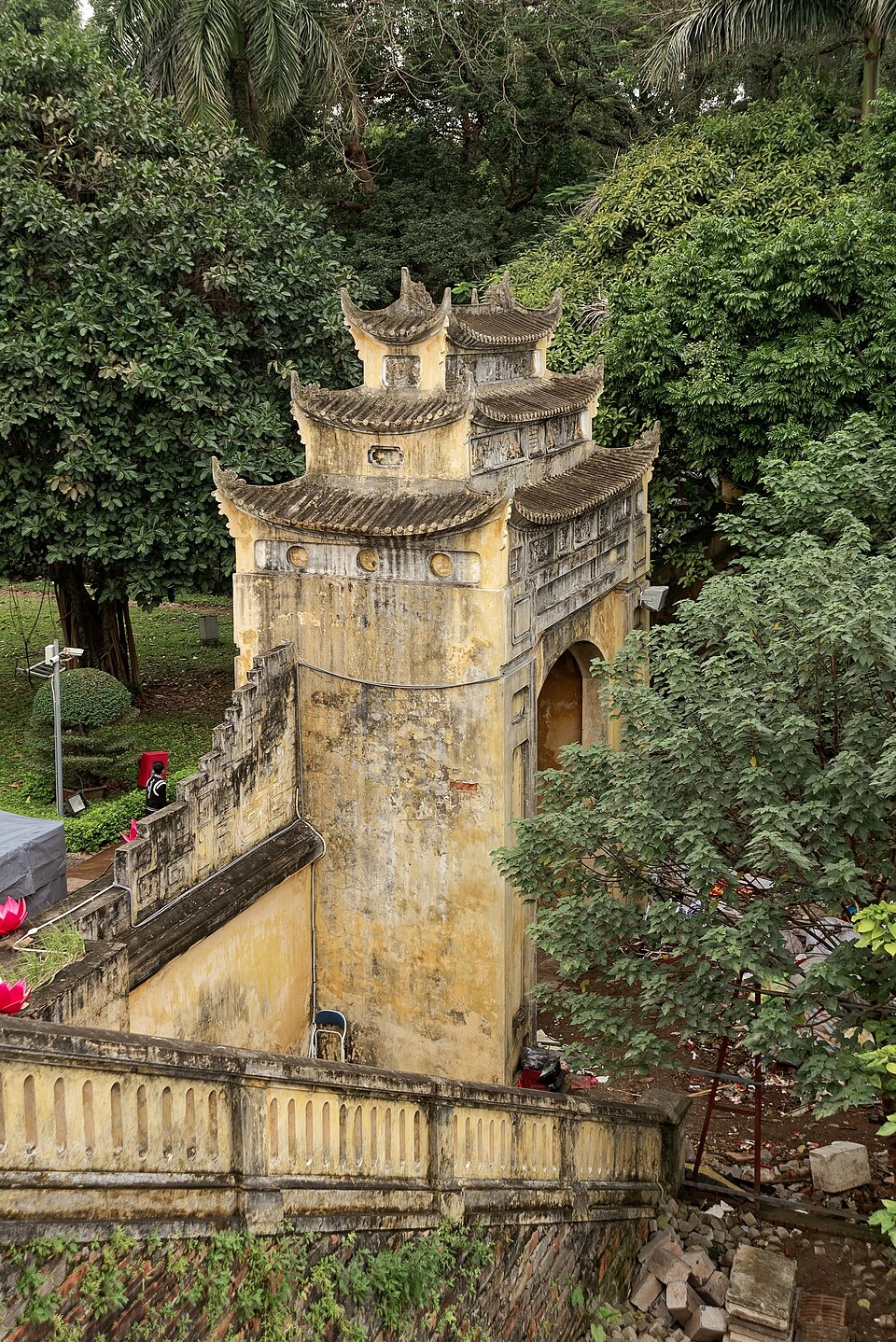
Đoan Môn is the main gate you’ll see on the central approach. Take a minute to look at it from the open grounds before moving through. The lines of the openings and the space leading up to them help you understand why the gate feels like the start of a route and not just a place to take a picture. In the UNESCO World Heritage listing, the central sector includes standing monuments and archaeological remains. You’ll see both kinds of evidence if you visit the excavation as well.
Ask about the route ahead if you see temporary barriers or changes to the signs. The site announced that reconstruction work at Kính Thiên Palace began in September 2026. Its announcement is evidence that the project began. It gives no guarantee that a specific visitor route is open today. Follow the route staff give you, and treat historic photographs as a way to identify places rather than as directions around temporary work.
What to look for around the Kính Thiên platform
If the visitor route takes you near the platform, use it to orient yourself before moving to D67. The heritage centre’s introduction lists the palace foundation among the site’s standing remains. A foundation, a ceremonial approach and a complete roofed building give you different things to look at. Here the interest is in the surviving fabric and what researchers can learn from it. Avoid trying to find the exact view in an older photograph if there is a barrier or if staff have directed you around the work.
If the stairway is visible from a public viewing point, look first at the way it meets the platform, then at the carved stone details. Ask which elements are historic and what the current work is intended to restore. If you can’t approach it, keep the route moving towards whichever stop is open. You still have a useful contrast between Đoan Môn, a building you can look at in full, and the archaeological remains across the street.
At D67, visit the house and bunker as two stops
The heritage centre’s account of D67 describes it as part of Vietnam’s wartime command history. The above-ground house and bunker tell related parts of that story. Start with the rooms at ground level if they’re open. At a meeting room, look at the table and the layout before you read the labels. Try to picture how a group would use the room for a briefing. Then read the interpretation for the people and decisions associated with the site.
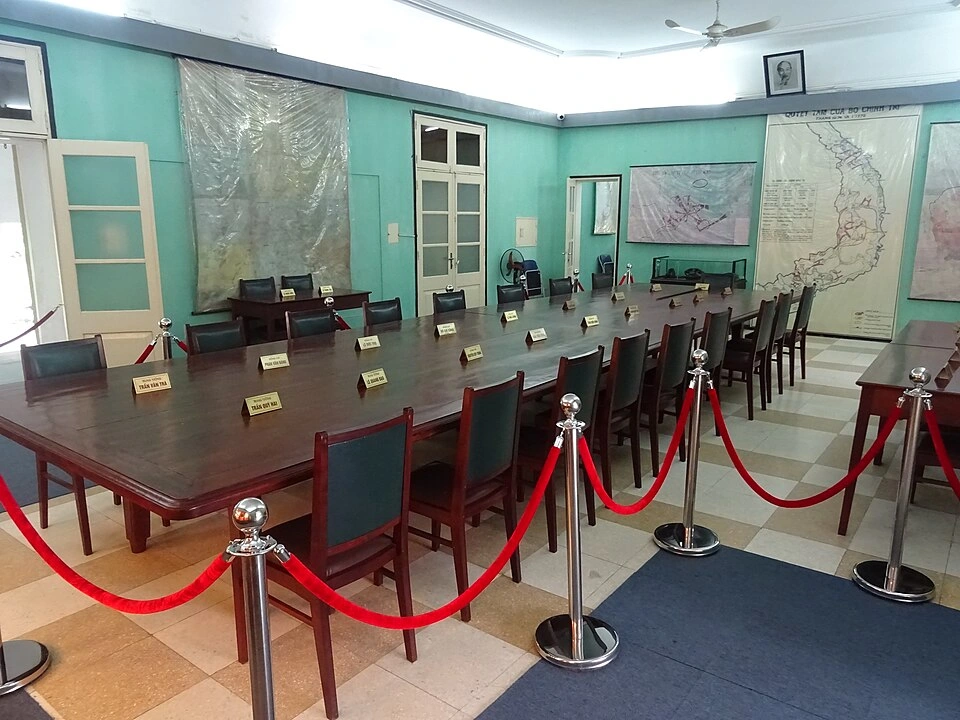
Before heading down, look at the route and follow instructions about whether entry is permitted. Use the handrail if available and give people time to move. If your group wants to split, pick a meeting point outside the house or ask staff where people come back up. The visit still works if some people see only the house, provided it’s open. If the bunker is the part you most want, ask about access at the beginning of the visit and see it first after the gate.
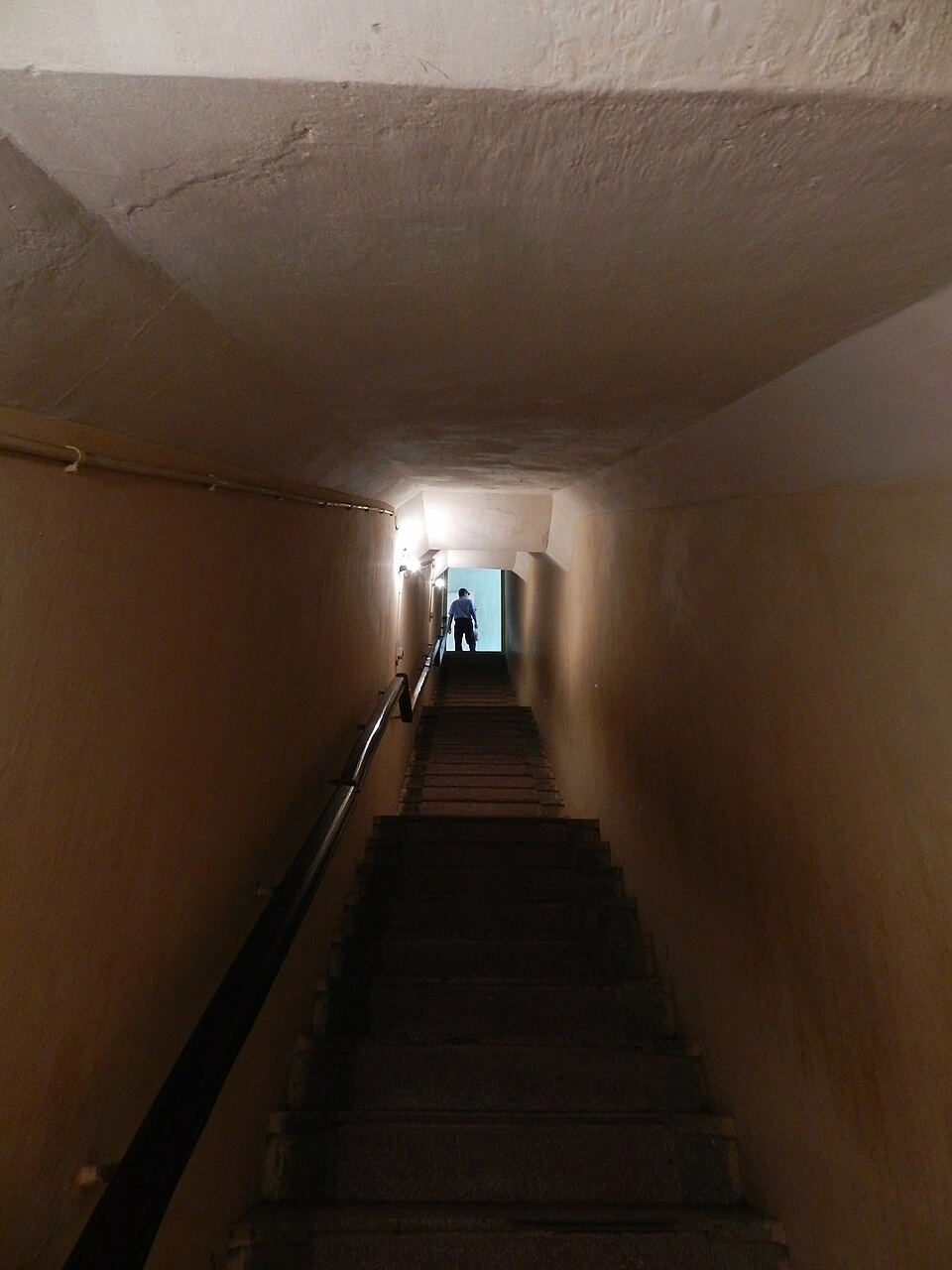
Inside the bunker, give yourself time to notice the change in space. The rooms below ground had a different purpose and feel from the public grounds you just walked through. Use the displays to understand how messages, meetings or decisions are documented. A piece of equipment or a restored room is a starting point for reading the labels, which explain more than you can tell from an object alone.
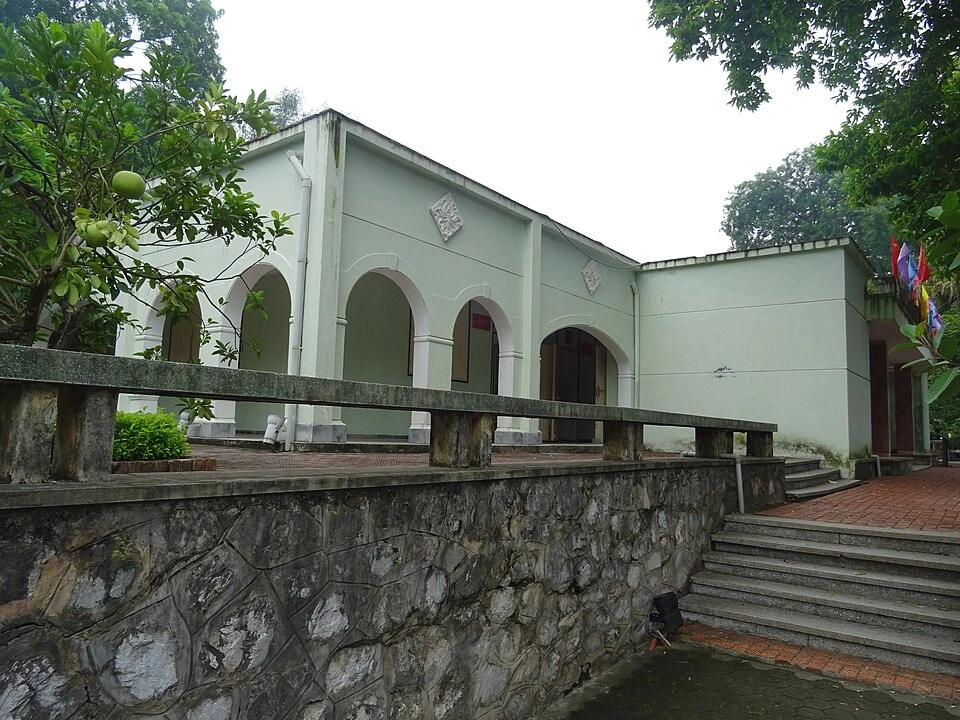
At 18 Hoàng Diệu, start with the diagram
The venue’s account of the excavation describes traces from different periods lying above or beside one another, including foundations, wells and drains. That’s a lot to take in while standing at a railing. I’d find a diagram first, locate the direction from which I’m looking, and pick one marked feature. A line of bases or masonry can help you see the footprint of a building. The label will tell you how the evidence was interpreted.
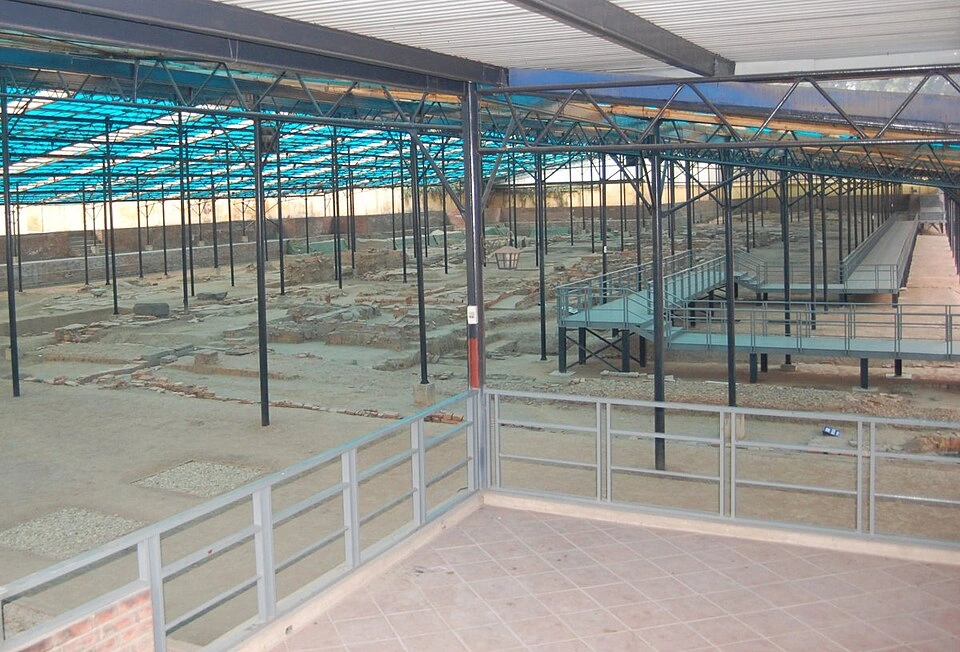
Then find another feature with a different job. If the first one helped support a building, look for a labelled well or drain. That’s a simple way to move from asking where a palace stood to asking how people built and used the place. Which examples you can see depends on the areas open on the day. Where the site gives dates or phases, read them before deciding what belongs together. Two things close to one another now may come from very different periods.
Ask at the entrance how to reach the excavation viewpoint. There’s a separate street address, and the ticket desk can tell you what route is in use. If you have time to see only a small part, choose a viewpoint with interpretation you can read and spend your time there. If it’s closed, ask staff about any on-site displays that explain the archaeology before deciding whether to switch the visit to D67.
Fit the route to the time you have
If you have about an hour
Allow a short stop at Đoan Môn and pick one main destination. For a military-history visit, go to D67 and give yourself time to see the house even if you decide against the descent. For archaeology, ask how to reach the open viewing area as soon as you’ve bought the ticket. Don’t count every stop on the map as part of the plan. Keep some of the hour for waiting, walking between areas, and getting back to wherever you’ll meet your ride.
If you have around two hours
Plan for the gate, a substantial stop at D67 and a separate block for 18 Hoàng Diệu, subject to access. Do the stop you’d be most disappointed to miss first. If reading an exhibition is taking longer than expected, choose whether to stay or go while you still have time to move between areas. These are planning allowances. Add the time you need for tickets and for any queue or longer route staff recommend.
Daytime visit or the evening programme?
Use daytime if you want to control your pace and choose between the room at D67 and the archaeological site. The centre also describes a guided evening programme called Decoding the Thăng Long Imperial Citadel. Its published description includes exhibits and a visit to the archaeology area. Ask which stops are included on your date, whether there are tickets left, and how early to arrive. If D67 is your main reason for going, confirm that it’s part of the option you book before planning the rest of the evening around it.
What to ask the ticket desk on the day
If you remember only one question, make it this: “Which parts can I actually visit today?” Give the names of both places and ask staff to mark them on the current map. For D67, distinguish the house from the descent. For the archaeological site, ask how to get to the open viewpoint, whether you need to leave the main grounds to reach it, and where your route ends. These details matter most if you’ve arrived later in the day or need to minimise walking.
- Is there a changed route around the palace work today?
- Can I see the D67 meeting room if I skip the bunker stairs?
- Where do I show my ticket for the 18 Hoàng Diệu viewing area?
- Which stop will close first, and where is the nearest exit when I finish?
If you’re visiting with children, give them a simple question at each main stop. At the gate, count the openings you can see. At the excavation, ask them to pick out a feature shown on the diagram from the public viewing area. At D67, choose an object from a display and look for what the label says about its purpose.
Where to go afterwards
If you want another perspective on Hanoi’s past, the Hanoi history guide gives you a broader timeline, and the Temple of Literature routes give you a separate visit focused on education and the courtyards. Check closing and last entry before trying to do both sites. If you’ve had a full afternoon at the citadel, leave the second visit for another day. It’s easier to remember what you saw at 18 Hoàng Diệu when you’ve had a moment to think about the foundations and how different they looked from the rooms at D67.
Photo credits
- Đoan Môn Gate by Jakub Hałun, CC BY 4.0. Resized.
- D67 meeting room by Christophe95, CC BY-SA 4.0. Resized.
- D67 bunker stairs by Guerinf, CC BY-SA 4.0. Resized.
- D67 House by Christophe95, CC BY-SA 4.0. Resized.
- Covered excavation by Chrisvomberg, CC BY-SA 3.0. Resized.