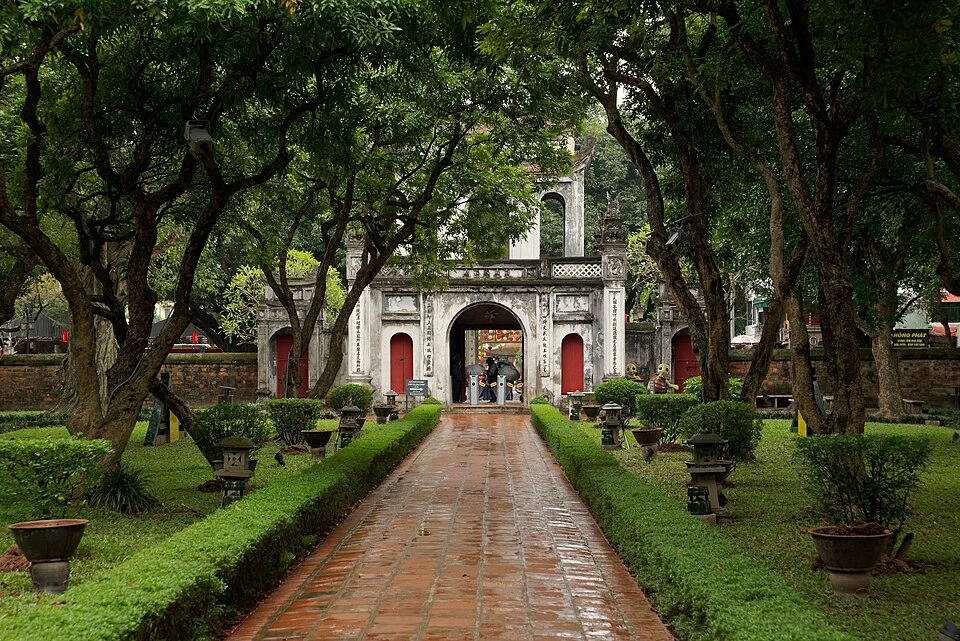
You can spend a morning at Cổ Loa and still be back in central Hanoi for the afternoon. The trick is to picture the place before you set off. A map pin that says “citadel” might make you expect a single gate and a clear circuit around the walls. Here, the old defences sit within a living settlement. The temple, communal house and exhibition stops give you a starting point. The earthworks take a little more asking around.
My suggestion for a first visit is simple. Go to the heritage core in Đông Anh, spend time with the exhibits or site map, and see whichever parts of the temple complex are open. Ask the staff for one publicly accessible section of rampart if you want to see how the fortifications sit in the landscape. If the answer is unclear or the ground is wet, you already have enough for a good morning.
How to plan a half day at Cổ Loa
- Start: Ask to be dropped off at the Cổ Loa heritage site visitor entrance or exhibition house. Show the Vietnamese name, Khu di tích Cổ Loa, and check that the pin takes you to the visitor core in Đông Anh.
- Allow: Budget about two hours at the site for an unhurried first visit, plus transfers in both directions. Add more time if you depend on a bus connection or want to walk beyond the core.
- Check first: Ask what parts of the An Dương Vương temple are open and whether an exhibition is currently accessible. Ask about the ramparts separately.
- Return: Agree a pickup point with your driver, or save the name of your return bus stop before leaving Hanoi. Keep the rest of the afternoon flexible if you travel independently.
The visitor page lists standard hours of 8 a.m. to 5 p.m. and adult admission at 30,000 VND per visit. These are posted visitor details, checked on 21 November 2026. Confirm the applicable fare and schedule for your date, especially if you are visiting during a public holiday or planning to arrive late. The site's hours also tell you little about which rooms are open inside a restoration area. Cổ Loa site management’s visitor information.
Getting to Cổ Loa from central Hanoi
By car or ride-hailing app
A car is the option I would plan around if I had only one free morning. Enter the heritage site rather than simply putting “Cổ Loa” in the app. Zoom in on the destination before you accept the ride. A district or neighbourhood label is enough to get you into the right area, but it can leave you sorting out the final approach on foot. Save the map pin for your drop-off and take a look around before the car leaves. A named gate or obvious roadside point is easier to communicate on the return than a pin in the middle of a complex.
Check the live fare for the outward ride and the likely cost of a separate return. With a prearranged driver, ask whether the quote covers waiting and whether pickup can be moved if you finish at a different point. If you request rides separately, give yourself a buffer to find the car. Keep a contact method that works with your SIM or eSIM. If you have a tight onward connection, a confirmed return arrangement matters more than squeezing in a second stop.
By public bus
The bus makes sense if the journey is part of the outing and you have time to spare. Plan from your actual accommodation because “from the Old Quarter” can mean several different starting stops. Check the route on the day and look at the final walking leg before committing. In particular, check which side of the road serves buses back toward your part of Hanoi. Save both stop names and the return map on your phone. If the suggested journey has a long walk or multiple changes, consider taking the bus one way and using a car for the other.
Start early enough that a missed bus only costs you time, rather than the one part of the site you came to see. If you have an airport transfer, a train or a timed ticket later, decide what time you need to turn back before you leave the city. The outing works best when you can cut an optional walk without having to rush the main visit.
Where to start when you arrive
Ask for the visitor map or exhibition first
Start at the visitor desk or exhibition house if it’s open. Ask staff to show you the places you can visit that morning and a reference point you’ll recognise when you come back. A useful question is Hôm nay có thể tham quan những khu vực nào? which means “Which areas can I visit today?” If you get a site map, mark where you are and where you expect to finish. That small step saves a lot of guesswork later when you’re looking at a lane that seems to turn away from the temple.
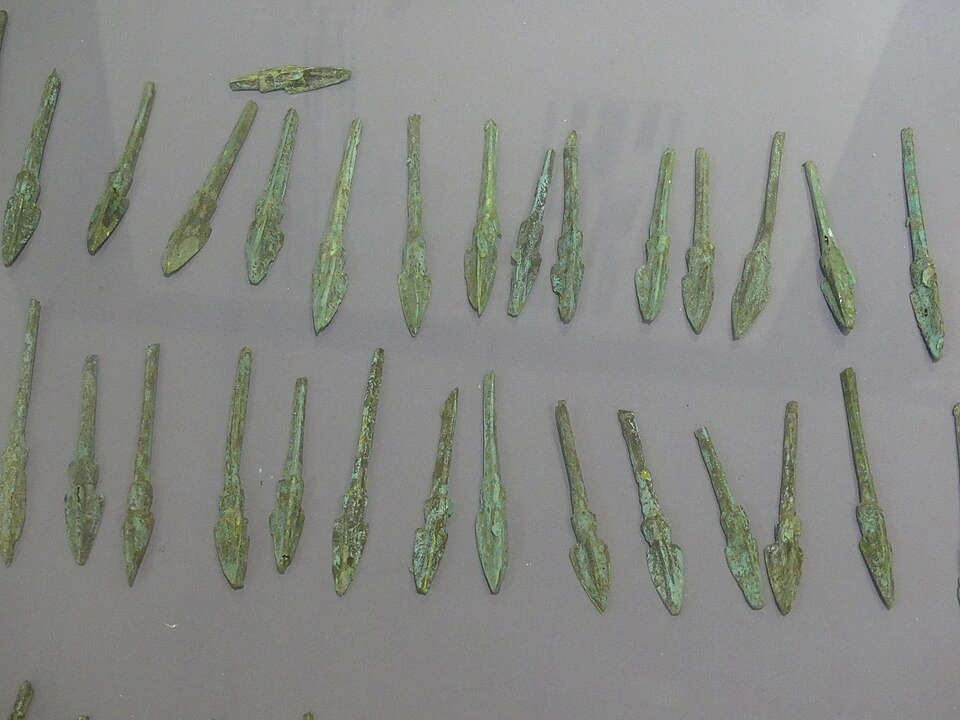
At an exhibition, start with a plan of the settlement or a diagram of the defences if one is available. Then look for material evidence such as bronze projectile points or casting equipment. A case of arrowheads does more for the visit if you know what question you are bringing to it. What would it take to produce and store these objects? Where were they found in relation to the settlement? Read the label to see where an individual object came from and whether it’s an original or a reproduction. Display contents can change. Thăng Long–Hanoi Heritage Conservation Center exhibition announcement.
See the accessible parts of the An Dương Vương temple
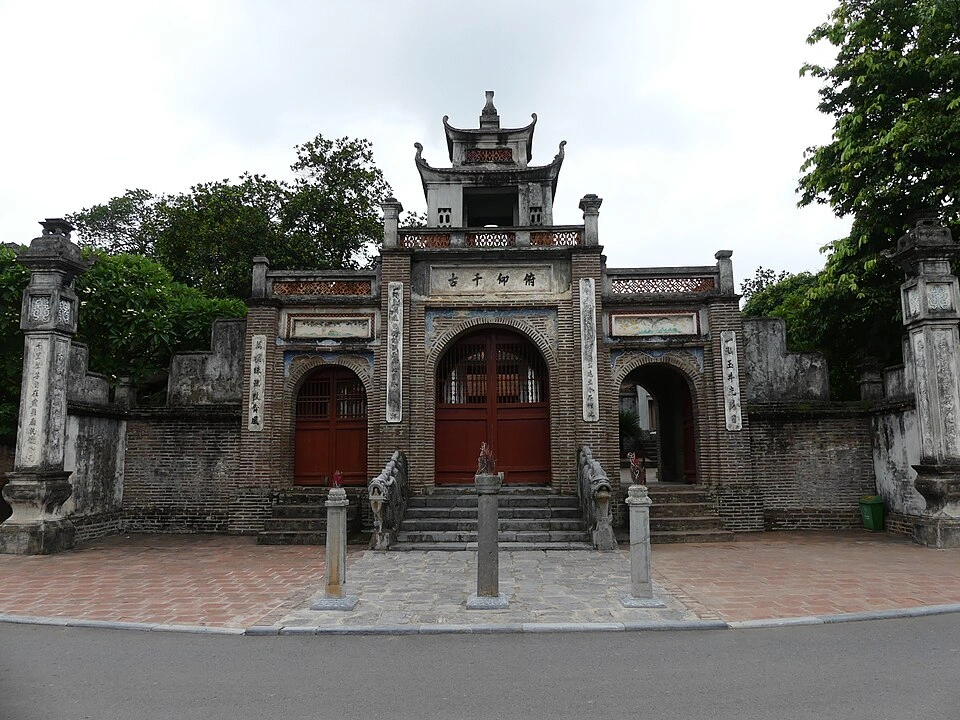
The temple is also called Đền Thượng. The site manager has published a restoration-era route that includes the temple gate, lower courtyard and stele house, as well as stops elsewhere in the core. A heritage centre update records a roof-raising ceremony in May 2026. Ask about access during your visit before you make the principal hall the centre of your plans. The announcement describes progress on the works and the current on-site instructions determine where you can go. Official visitor route and restoration update.
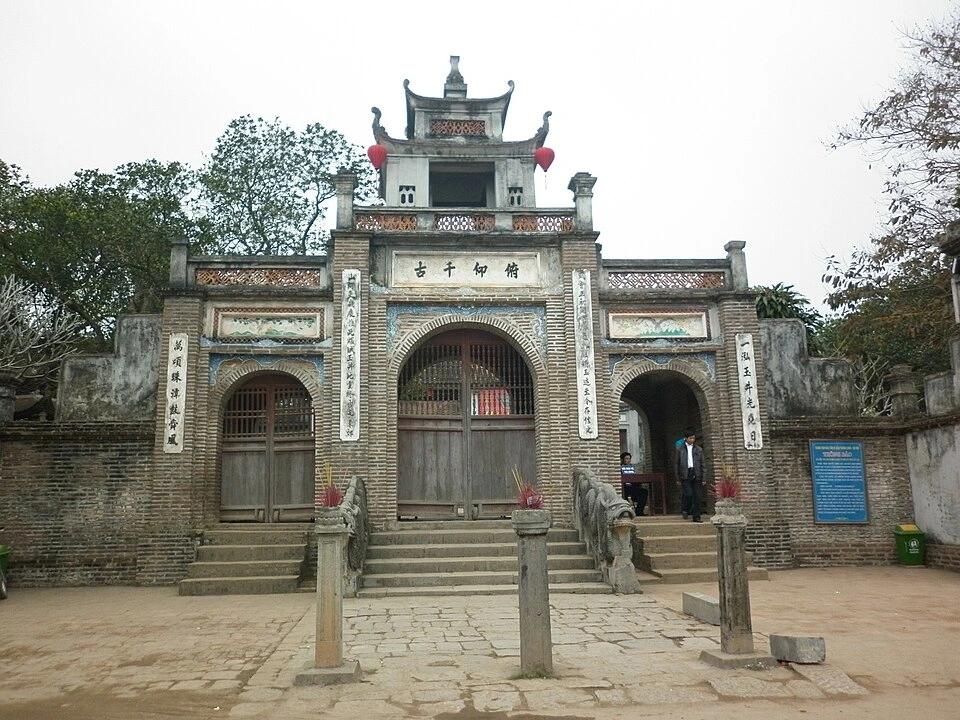
At the temple, give yourself a few minutes at the approach. Look back from the courtyard if the route allows it. You get a better sense that this is a place where a king is commemorated and where people still come to pay respects. Older photographs help orient you, but temporary fencing can change how you reach a familiar-looking gate. Follow the signs and leave space for people who have come to worship. When in doubt about photos, ask before lifting the camera.
Look for the communal house and Mỵ Châu shrine
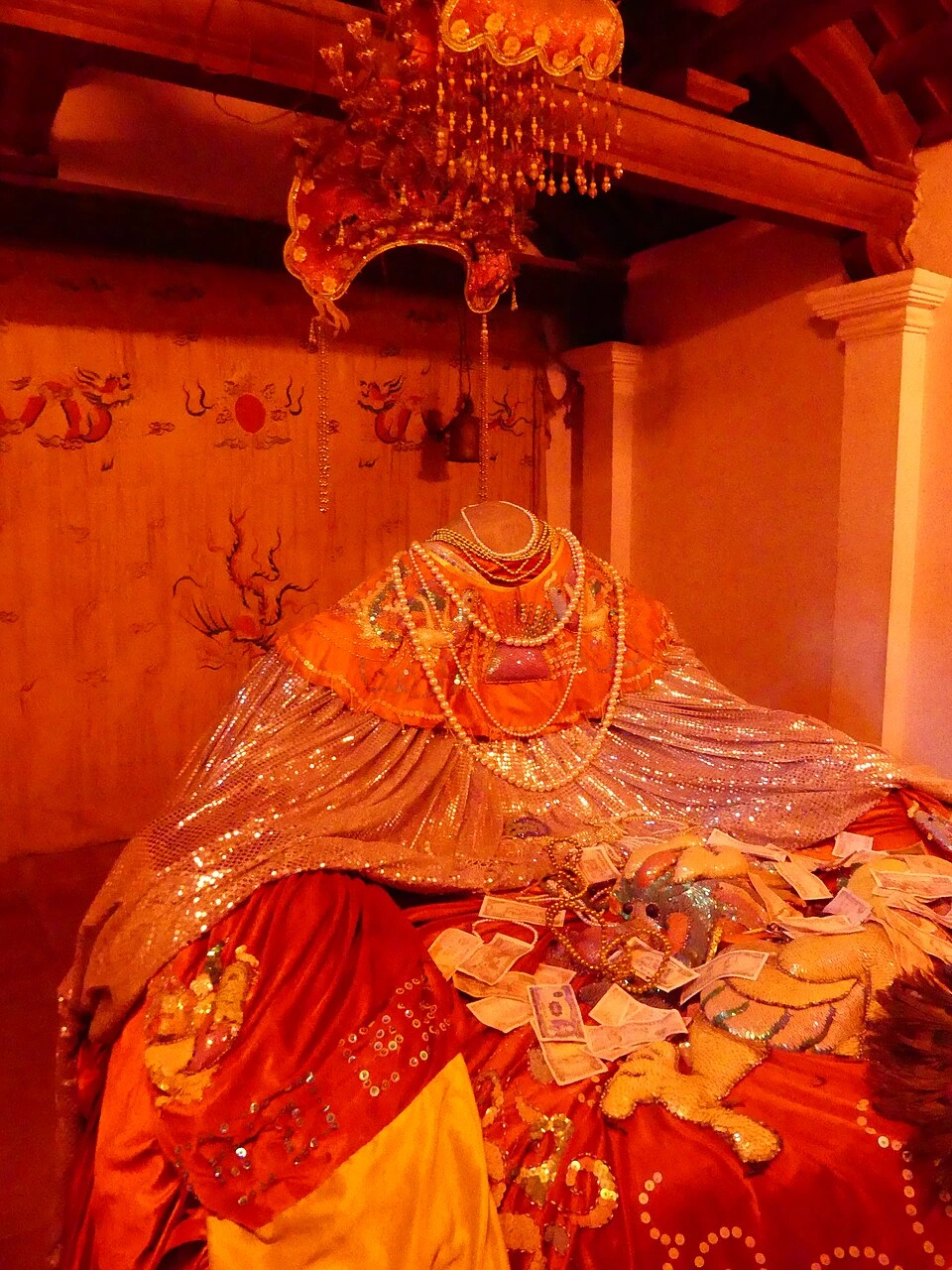
Ask whether đình Ngự Triều Di Quy and am Mỵ Châu are accessible that day. The communal house and the small shrine add something different to the temple visit. The communal house helps explain the local life of the site, and the shrine gives you a place to pause over the story of Mỵ Châu. The heritage centre opened an exhibition at the communal house on 18 November 2026 about Cổ Loa and Red River civilisation. Check with staff if you’re going specifically for that display. The online exhibition can also give you context before going. Exhibition announcement and online exhibition.
How to see the ramparts without turning it into a trek
Cổ Loa is associated with the early state of Âu Lạc under An Dương Vương. The surviving defences include inner, middle and outer rings. What you’re looking for outside the heritage core is the form of the ground itself. At a section identified by site staff, look across the earth bank and down toward the lower ground or former moat. If you’re standing on a lane with a grassy rise beside you and wondering whether it’s part of the defences, that’s exactly where a map or local direction helps. Vietnam Tourism’s Cổ Loa overview.
Ask this before you start walking: Đoạn thành nào dễ đi bộ từ đây? It means “Which stretch of the ramparts is easy to walk to from here?” Follow up by asking where to turn back and whether the route is open to visitors. A name like thành Trung, the middle ring, describes a large feature. Ask for a landmark or a point on the map near the stretch staff have in mind. If the direction brings you to a gate, an overgrown bank or what looks like someone’s yard, turn back to a public lane and ask again.
If you want an easy morning, choose one confirmed viewpoint and retrace your route. A full circuit is a different outing. It takes more navigation, and tracing the line of a wall on a map tells you little about whether the way is paved, passable or even a public path. After rain, stick to a firm surface. Skip the extension if it would leave you trying to coordinate a pickup from an unfamiliar lane.
The golden turtle and the evidence under your feet
The local legend begins with the building of the citadel and a golden turtle who helps An Dương Vương. The turtle is also connected to the magical crossbow that protects the kingdom. In the story of Mỵ Châu and Trọng Thủy, the weapon’s secret falls into enemy hands and the kingdom is lost. You’ll come across the story in different forms. It helps explain why the crossbow and the turtle keep turning up in the imagery around Cổ Loa.

At the exhibits, make room for a second question. How did people make and defend a settlement of this size? The earthworks show how the landscape was used. Projectile points and objects associated with the production of bronze add clues about the work involved. The shrine and the exhibition give you two ways into the same place. One preserves the story people tell about its fall. The other gives you a chance to look at what survives and what researchers can learn from it. Heritage centre overview of Cổ Loa’s historical and archaeological value.
What to do if it rains, or if you’re visiting with children
On a wet day, start with whichever indoor exhibit is open and follow that with the shortest route through the core. Bring a light rain layer so you can keep both hands free on steps. Ask staff about the distance between sheltered stops before you buy a ticket if the weather is particularly bad. With children, try one small challenge per stop. Find the turtle motif, look at one ancient object together, then see if they can identify the bank or lower ground on the site map. That is usually a more manageable plan than trying to fit several shrines and a long walk into the same visit.
If you use a wheelchair, travel with a stroller or need a low-step route, ask specifically about thresholds, slopes and the walk from the visitor entrance. A short distance can still involve stairs, an uneven surface or an inconvenient drop-off. I could not confirm a continuous step-free route. Ask before setting off if access conditions determine whether the outing works for your group, and keep the ramparts optional.
Is Cổ Loa worth leaving central Hanoi for?
Yes, if you want to see how an early capital sits within a modern village and have a morning to spare. If you are on your first short visit and want an easier connection between major sights, start with the Imperial Citadel of Thăng Long in central Hanoi. The two sites show different chapters of history and sit in different parts of Hanoi. If you have another half day and would rather spend it in village lanes, compare Cổ Loa with the Mông Phụ walk in Đường Lâm or see other options on the Hanoi day trips page.
For Cổ Loa, I would keep the plan to the heritage core and one optional stretch of rampart. Leave the second outing for another day. Giving yourself time to ask someone where the old wall actually runs is part of what makes this particular trip worthwhile.
Photo credits
- Photo: An Duong Vuong Temple Gate Co Loa.jpg by Julez A., Wikimedia Commons, licensed under CC BY-SA 4.0. Resized and converted to WebP.
- Photo: Den tho An Duong Vuong tai Co Loa.JPG by VuThiAnh, Wikimedia Commons, released under CC0 1.0. Resized and converted to WebP.
- Photo: Co Loa Museum Arrowheads.jpg by Julez A., Wikimedia Commons, licensed under CC BY-SA 4.0. Resized and converted to WebP.
- Photo: Princess My Chau statue Co Loa.jpg by Julez A., Wikimedia Commons, licensed under CC BY-SA 4.0. Resized and converted to WebP.
- Photo: An Duong Vuong Temple Co Loa Golden Turtle Magic Crossbow.jpg by Julez A., Wikimedia Commons, licensed under CC BY-SA 4.0. Resized and converted to WebP.